“391 SECONDS OF SILENCE”: STEPHEN MILLER GRILLED OVER MISSING $7.7 MILLION IN EXPLOSIVE OVERSIGHT HEARING
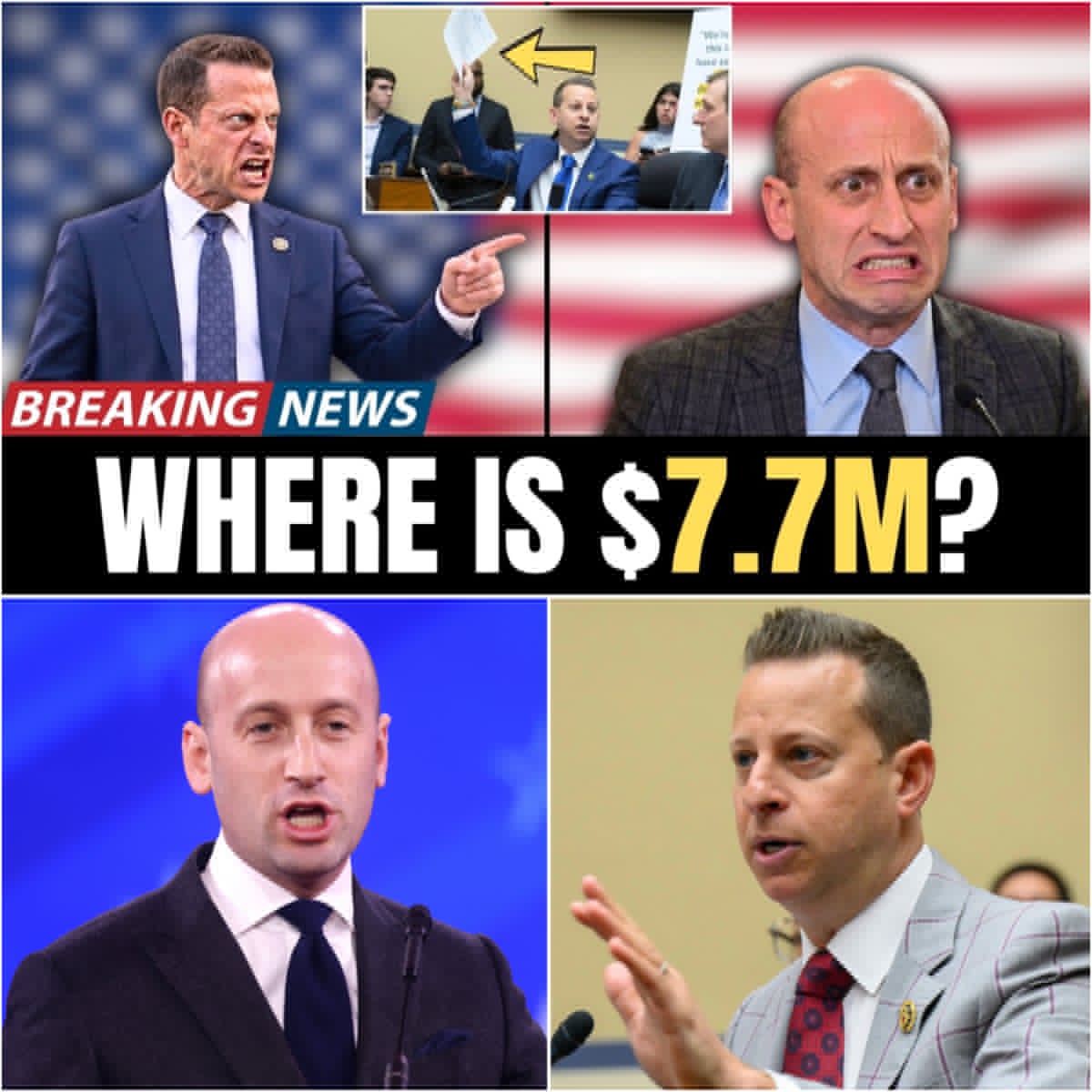
A tense hearing on Capitol Hill has ignited national attention after Stephen Miller faced intense questioning from Jared Moskowitz over what lawmakers described as a troubling gap in emergency border funding. The moment that stunned observers wasn’t a fiery exchange — it was silence. A prolonged, 391-second pause that quickly became the defining image of the hearing.
The session, held before the House Oversight Committee, began like many others: routine questions, standard answers, and procedural rhythm. Miller, accompanied by legal counsel, appeared composed as discussions moved through border policy and appropriations. But the tone shifted dramatically when Moskowitz introduced a set of financial documents tied to a February emergency declaration.
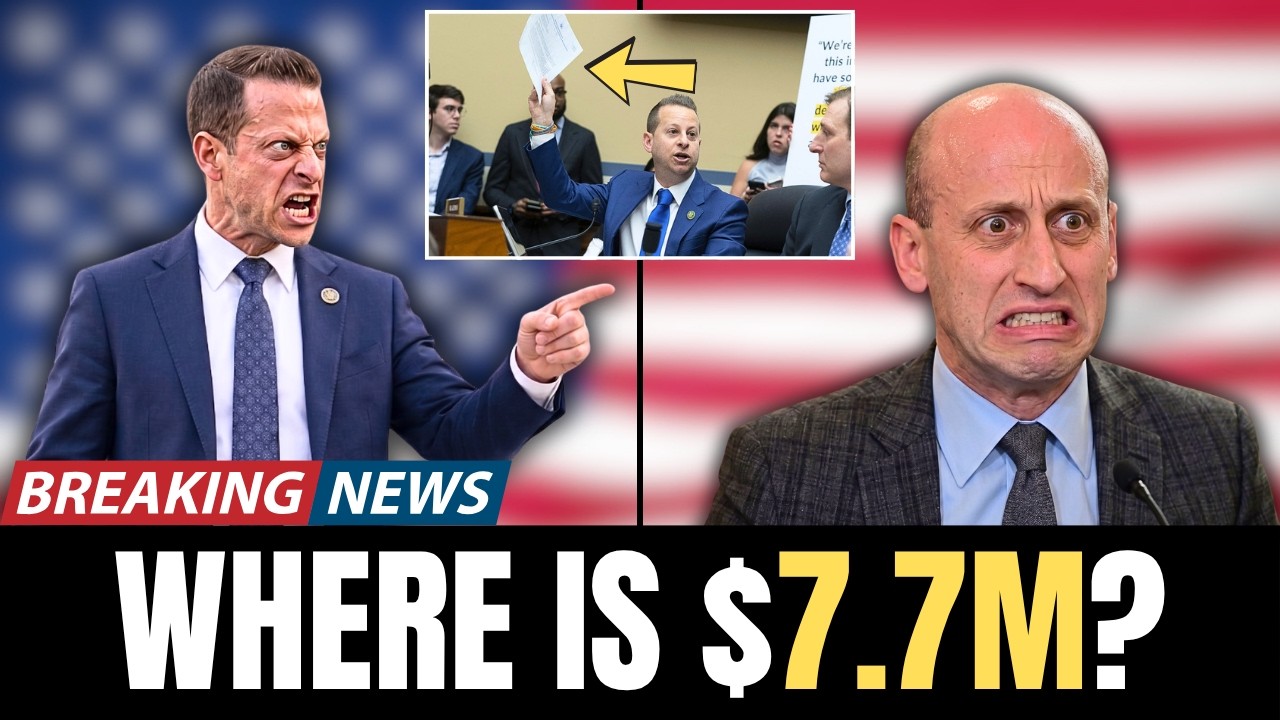
According to records presented during the hearing, Miller had approved an emergency request of $8.9 million for what was described as an “unprecedented surge” in border activity in the El Paso sector. The funding bypassed normal review channels, justified by urgent national security concerns. At first glance, the request appeared consistent with emergency protocols.
However, Moskowitz then introduced a second document — an official operational spending report filed months later. That report indicated that only $1.2 million had been spent on actual border operations. The discrepancy — $7.7 million — immediately drew attention and raised questions that would dominate the remainder of the session.
When asked directly where the remaining funds had gone, Miller initially responded that unspent money had been “reallocated” according to standard procedures. But when pressed for specifics, he did not provide a clear answer. The exchange grew more pointed as Moskowitz emphasized the simplicity of the question: where exactly was the money?
The hearing intensified further when additional data was introduced. Customs and Border Protection figures for the same period showed that daily border encounters had not surged, but slightly decreased compared to the previous month. This contradiction challenged the original justification for the emergency declaration and added another layer of scrutiny.
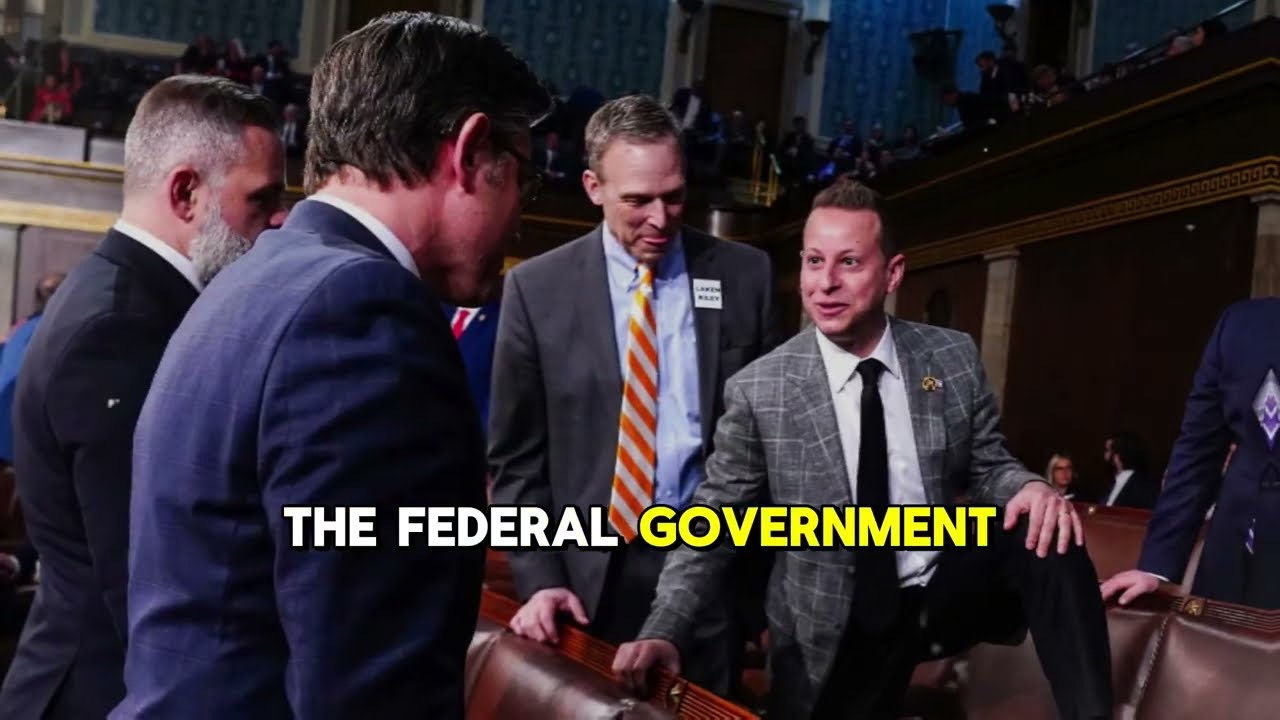
Attention then turned to contractor payments. Moskowitz presented documents indicating that approximately $6.8 million had been distributed to seven private companies. Notably, all seven firms were reportedly newly incorporated within months of the emergency declaration and shared the same registered agent. The revelation prompted immediate concern among committee members.
The central question followed: who owns these companies? At that moment, the hearing reached its most dramatic point. Miller did not respond. For over six minutes — 391 seconds — he remained silent, neither answering nor deflecting. The room, filled with lawmakers, journalists, and staff, remained still as the silence stretched on.
When prompted again, Miller ultimately declined to answer, citing the need for legal review. His attorneys intervened, and the chairman attempted to restore order. But the damage, at least in terms of perception, had already been done. The unanswered question lingered: how could millions in taxpayer funds be distributed without clear accountability?
Moskowitz concluded by summarizing the findings on record: an emergency declaration based on disputed data, millions allocated but not fully explained, and contractor payments lacking transparency. The hearing adjourned shortly after, with Miller exiting under heavy media attention and without addressing the ownership question.
While no formal conclusions were reached during the session, the exchange has intensified calls for further investigation. Lawmakers from both sides have indicated that additional documentation and testimony may be required to clarify the flow of funds and the legitimacy of the emergency declaration.
For now, one moment continues to dominate headlines — not a statement, but the absence of one. In a hearing built on numbers and accountability, 391 seconds of silence may prove more consequential than any answer given.
