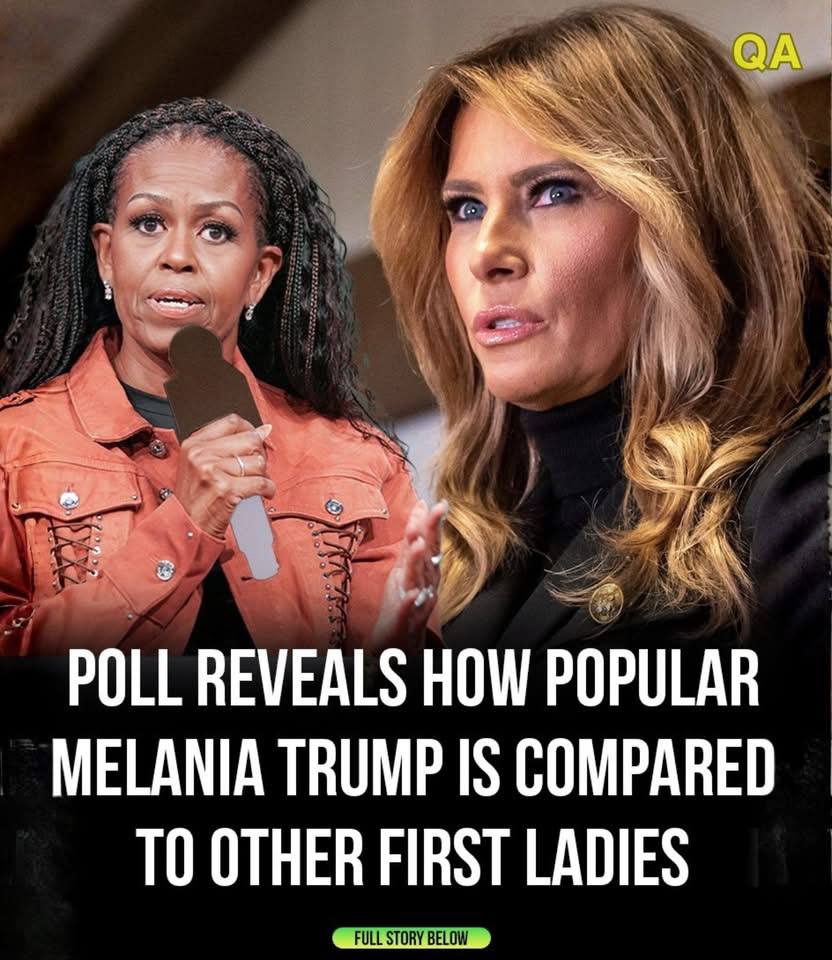
The corridors of the White House have long echoed with the footsteps of women who, despite having no formal job description, have shaped the cultural and social fabric of the United States. From the quiet elegance of the early 20th century to the high-definition scrutiny of the modern era, the role of the First Lady remains one of the most fascinating paradoxes in American life. It is a position of immense influence without legislative power, and high visibility without a personal vote. Recently, a comprehensive new survey of over 2,000 citizens has pulled back the curtain on how the public perceives these icons. The results offer a compelling glimpse into the American psyche, revealing that while some legacies remain etched in gold, others—like that of Melania Trump—are caught in the crosswinds of a historically divided nation.
The Cultural Myth of the “Ideal” First Lady
Throughout American history, the concept of the First Lady has been steeped in cultural mythology. We often look back at figures like Jacqueline Kennedy Onassis through a lens of “Camelot” nostalgia—a time of perceived grace, style, and intellectual sophistication. This cultural myth serves as a benchmark against which all successors are measured. The survey results, which saw Kennedy Onassis achieve a towering +56 approval rating, suggest that the American public still clings to this archetype of the “Queen Consort” of democracy.
However, the “ideal” has shifted over time. Figures like Michelle Obama (+21) and Nancy Reagan (+25) have added layers to this myth, blending traditional hostess duties with advocacy for health, education, and social welfare. These women have become symbols of their respective eras, representing the values and aspirations of the people who supported their husbands. The First Lady is often viewed as the “softer side” of an administration, a cultural ambassador who can bridge the gap between the rigid world of policy and the lived experience of the citizenry.
The Science of Polling and Modern Partisanship
While the cultural view is driven by emotion and memory, the modern understanding of these figures is grounded in the rigorous science of data. Polling firms like YouGov utilize complex methodologies to ensure that their samples are representative of a diverse population. By stratifying data by gender, age, education, and geographic region, statisticians can create a snapshot of public opinion that accounts for the nuances of the American landscape.
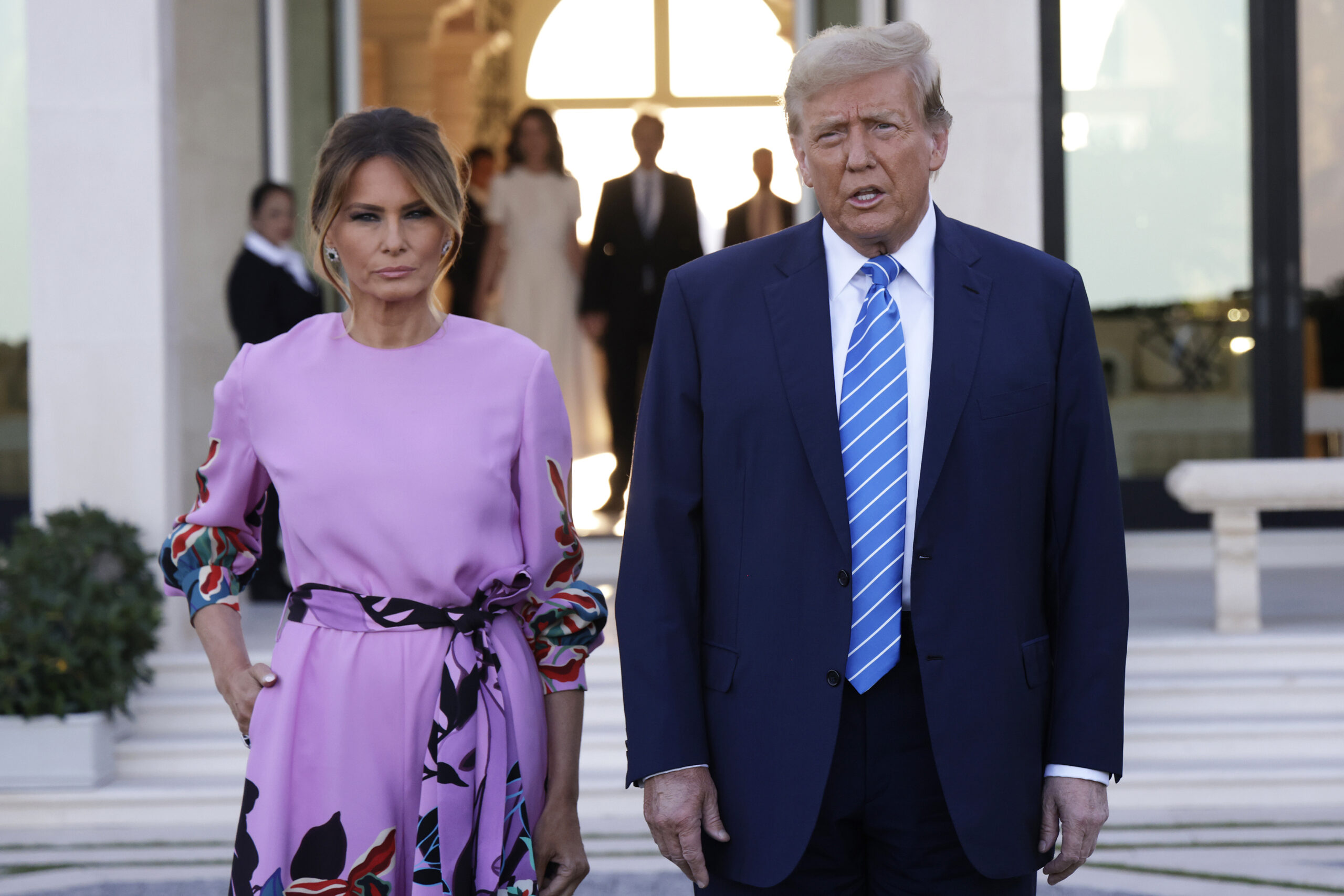
The recent poll highlights a significant scientific trend in modern sociology: the “polarization effect.” In decades past, First Ladies often enjoyed broad, bipartisan support, acting as a unifying force. Today, however, the data shows that approval ratings are increasingly mirrored by party affiliation. For Melania Trump, who registered a -16 rating, the science suggests that her public perception is inextricably linked to the polarizing nature of modern politics. When a society is deeply divided, even non-legislative roles become battlegrounds for identity and belief, leading to higher negative ratings across the board for modern figures compared to their historical counterparts.
Melania Trump: The Enigma in the Middle
Melania Trump has frequently been described as an “enigma,” a term that suggests a person who is difficult to interpret or understand. Unlike many of her predecessors who sought to maximize their public presence, Melania has often prioritized a private lifestyle. This choice has led to a fascinating split in public perception. To some, her privacy is seen as a sign of independence and dignity; to others, it is viewed as a lack of engagement with the traditional duties of the office.
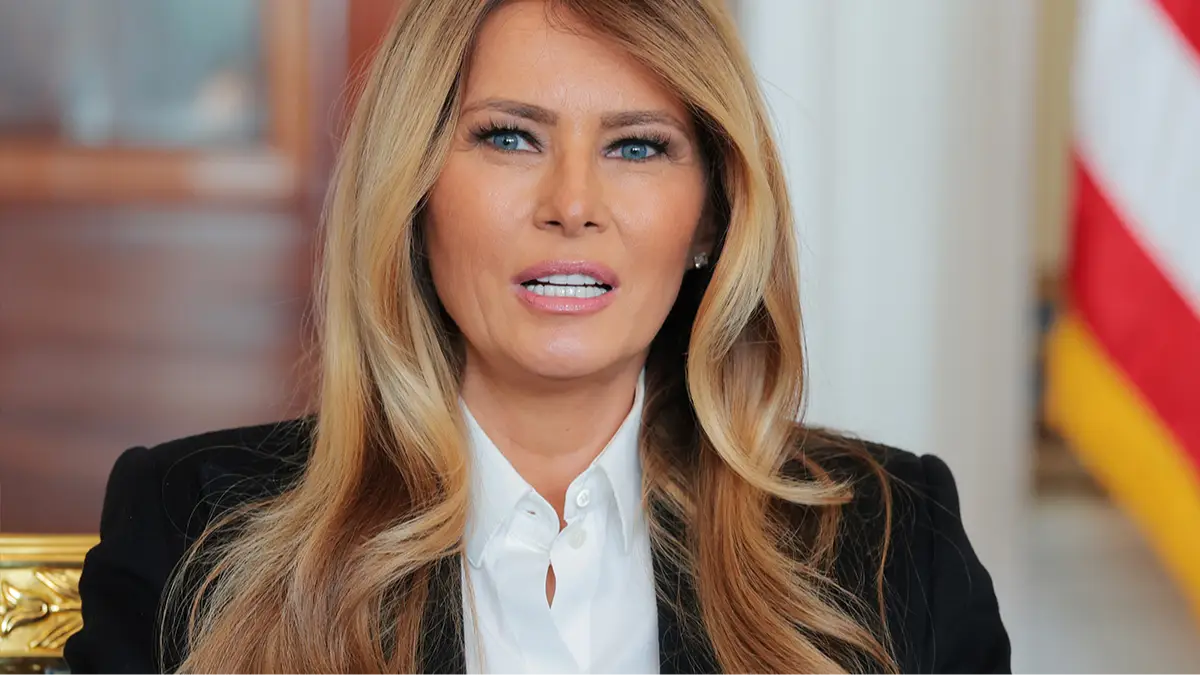
The survey reflects this complexity. While her -16 rating places her behind Jill Biden (-9), she remains slightly ahead of Hillary Clinton (-17). This “middle ground” suggests that Melania’s legacy is still being written, shaped largely by the intense spotlight surrounding her husband, Donald Trump. The recent success of her documentary, which reportedly earned $7 million in its opening weekend following a massive investment from streaming platforms, indicates that despite mixed approval ratings, there remains a massive public curiosity about her life and her perspective.
Speculation: The “Documentary Effect” and Public Influence
There is significant speculation among media analysts regarding the timing and impact of high-profile documentaries and memoirs. With reports of a $75 million total investment in marketing and rights for the Melania Trump documentary, experts are curious about how such media “rebrandings” affect long-term approval ratings. Speculative theories suggest that these projects are designed to bypass traditional media filters and speak directly to the public, potentially shifting a “negative” rating toward a more nuanced or sympathetic “neutral.“
Further speculation exists regarding the financial impact of the First Lady “brand.” The opening weekend numbers for the documentary suggest that the “Trump” name continues to command significant market value, regardless of political approval. Some observers speculate that this commercial success serves as a form of “cultural validation” that exists independently of traditional polling data. It raises the question: in the digital age, is a high viewership count more influential than a positive approval rating?
The Evolutionary Psychology of Leadership and Partners
From a scientific perspective, human interest in the partners of leaders may be rooted in evolutionary psychology. Throughout history, the stability of a leader’s family unit has been viewed as a proxy for the stability of the tribe or nation. We are biologically predisposed to pay attention to the “Inner Circle” of our leaders because their influence—though often indirect—can have significant consequences for the group’s direction.
This explains why First Ladies like Rosalynn Carter (+32) and Barbara Bush (+21) are remembered so fondly. They projected a sense of steady, supportive partnership that signaled reliability to the public. When that image is disrupted by political strife or intense partisanship, the “protective” feeling the public has toward the role can turn into skepticism. The poll’s findings regarding former presidents—ranking Donald Trump and Joe Biden at the lower end of the spectrum—suggest that the public’s dissatisfaction with the “Commanders-in-Chief” often spills over into their perceptions of the family unit as a whole.

The Enduring Legacy of “Lady Bird” and the Bushes
One of the most heartening aspects of the poll is the enduring popularity of First Ladies who served decades ago. Lady Bird Johnson (+23) and Laura Bush (+19) continue to hold positive marks, suggesting that time has a way of smoothing over the partisan edges of their husband’s presidencies. These women are often remembered for their specific, tangible contributions to American life—be it Lady Bird’s focus on environmental beautification or Laura Bush’s championing of literacy.
This “longevity effect” provides a scientific hint at how current figures might be viewed in the future. As the immediate heat of political battles fades, the public often returns to a more balanced view of the First Lady’s individual contributions. For modern figures like Jill Biden and Melania Trump, the path to a positive legacy may lie in the specific, non-partisan causes they choose to champion, allowing them to eventually rise above the “voter registration” metrics that currently define their scores.
Conclusion: A Reflection on Human Curiosity
The ongoing debate sparked by these polls reveals a fundamental truth about our society: we are endlessly curious about the people who stand at the center of power. This curiosity is not merely about gossip or “ranking” individuals; it is a search for understanding. We look to the First Ladies of the past and present to find reflections of our own values, our struggles, and our hopes for the country.
Our interest in Jacqueline Kennedy’s elegance or Melania Trump’s documentary is a testament to our desire for connection with the figures who represent us on the world stage. As long as there is a White House, there will be a public eager to measure the grace, the grit, and the impact of the women who call it home. In the end, these polls are more than just numbers—they are a mirror reflecting the evolving heart of a nation that is always searching for its next great icon.
