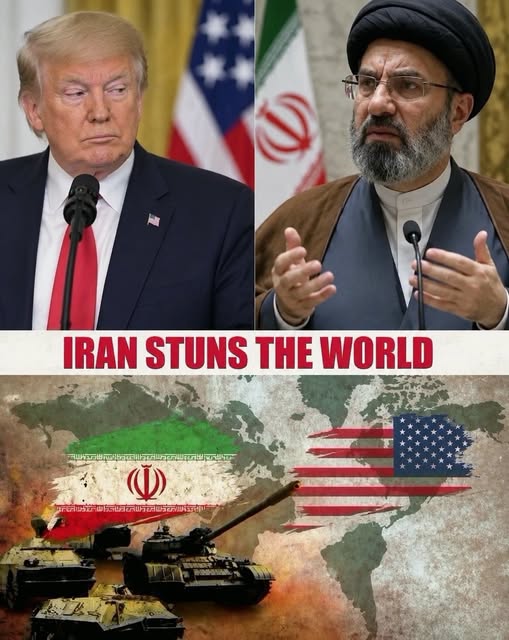
The room is locked. The stakes are terrifying. One wrong word could redraw the map of the Middle East. In Qatar, Trump, Vance, and Rubio are pushing Iran toward a deal that could either end decades of hostility or trigger a spiral no one can control. Nuclear fears, oil routes, and clashing egos collide as the clock violen… Continues…
Behind closed doors in Doha, the talks unfold like a high‑risk chess match. Trump’s envoys press their advantage with sanctions and carrier groups, while Iran’s negotiators insist on dignity, survival, and promises no American election can erase. Each clause on centrifuges, sunset clauses, and ballistic tests is fought over as if it were a border, a flag, a memory of betrayal carved into stone.
Around the table, everyone knows the ghosts in the room: tankers ablaze in the Gulf, cities sheltering from missile sirens, families watching fuel prices devour their wages. The deal taking shape is no grand reconciliation, only a narrow bridge over a chasm both sides helped dig. If they sign, it will be with pens trembling between fear and calculation—an agreement measured not in trust, but in how long the guns stay silent.
