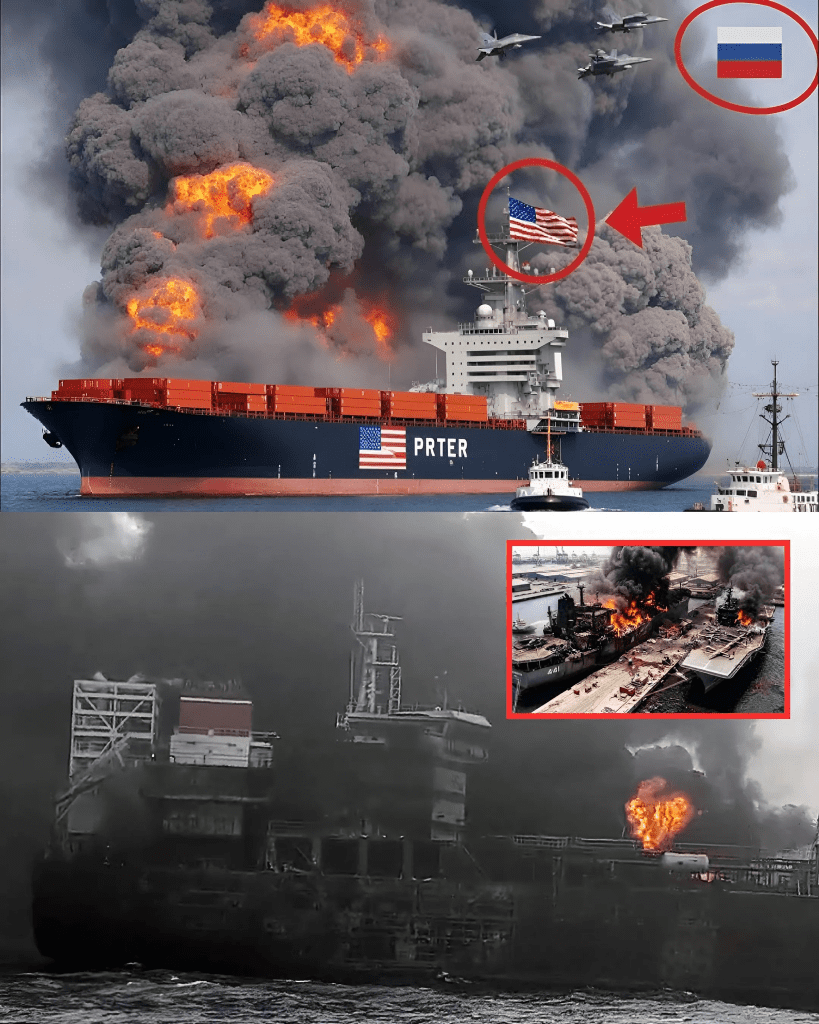
The Mysterious Disappearance of the USS Valor: An Analysis of the Incident
Just two hours ago, a news shook the maritime channels, military circles, and social networks when a cargo ship linked to the transport of military personnel disappeared under circumstances that were difficult to explain.
What initially seemed like a maritime accident soon transformed into a scene of total confusion, growing panic, and explosive suspicions because nobody can understand yet how a vessel equipped, monitored, and highly sensitive ended up swallowed by the sea.
The initial version speaks of a cargo ship that was carrying about ten tons of ammunition destined for the United States Army, a quantity sufficient to supply advanced training operations and strategic exercises whose nature, according to several sources, was classified.

The ship, identified by some witnesses as the USS Valor, was sailing towards a military installation when something changed abruptly, repeatedly, and terrifyingly, forcing the crew to fight against a situation that seemed to deteriorate second by second.
Reports of witnesses describe violet waters and unpredictable gusts amid unbearable tension on deck, where experienced sailors rushed under urgent orders, trying to maintain control of a vessel that had begun behaving like a condemned structure.
Some sailors from nearby vessels claim that the freighter not only became dangerously close, but also emitted strange signals before disappearing, as if it had suffered a repeated internal failure, a poorly detected collision, or even a much darker event.
The scene, described by several observers as a maritime nightmare, left a trail of foam, floating remains, and absolute silence, a silence that now weighs more than any official statement because the answers do not arrive with the speed that the drama demands.
At a moment that several witnesses described as impossible to forget, the ship would have lost stability abruptly while the crew made desperate efforts to contain the disaster, unaware that the ocean already seemed to have made its final decision.
The sight of its fast, brutal, and confusing sinking left those observing with a feeling of having witnessed not just an accident, but the collapse of a sensitive mission whose effects could extend far beyond the exact point where it occurred.
The mere material loss would be serious in itself, but the fact that the cargo included a huge amount of military ammunition infuses this episode with a question that inevitably touches on territorial security, defense logistics, and operational readiness.
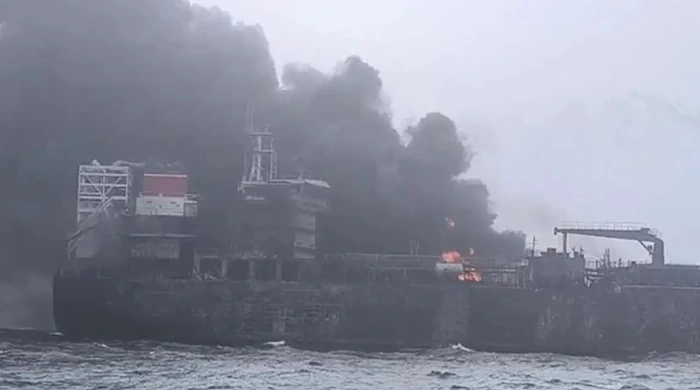
Strong sources close to the military force assured that the cargo was destined for a joint exercise related to advanced tactics, prompting uncomfortable questions about the vulnerability of supply routes and the actual capacity for protection in delicate missions.
In Washington, the secrecy didn’t take long to be established, and although the Pentagon issued a brief statement confirming the incident and expressing concern for the crew’s safety, the lack of concrete details only intensified the climate of suspicion.
Every minute without clear explanations feeds new theories, as a submerged military ship linked to a sensitive operation allows the informative vacuum to become the perfect fuel for speculations of all kinds.
One of the first hypotheses points to a severe mechanical failure, perhaps aggravated by hostile navigation conditions. Some experts consider this possibility reasonable, though insufficient on its own to explain the speed of the collapse and the magnitude of the disaster.
Other analysts suspect that an unconfirmed explosion could have occurred, maybe due to a storage problem, defective handling, or a technical accident that triggered a chain reaction involving the extremely sensitive material being transported.
However, a more unsettling theory circulating among defense observers suggests the possibility of external interference, calculated sabotage, or a hostile action disguised as an accident.
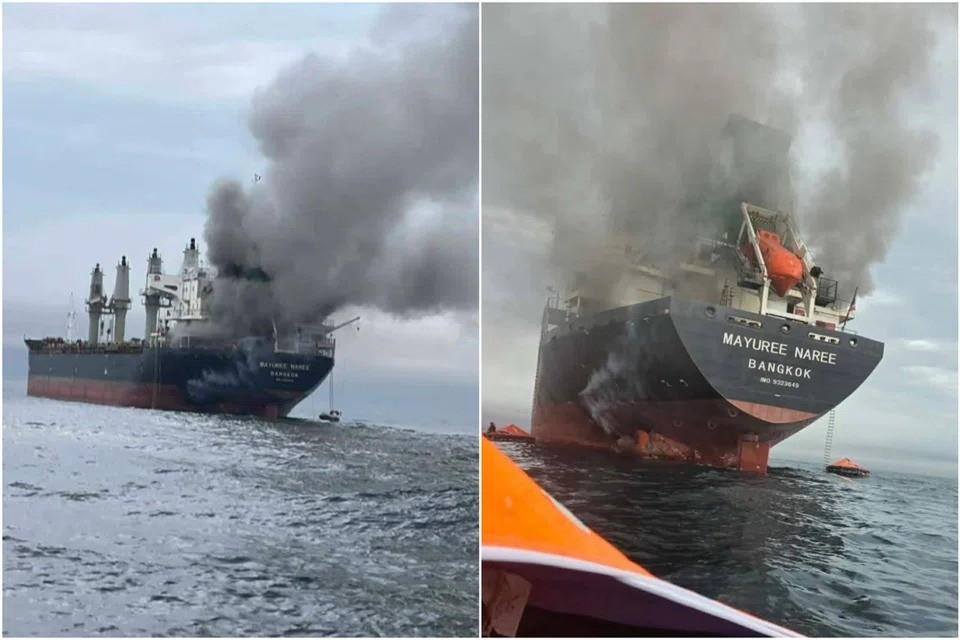
This theory gained momentum following comments about the presence of unidentified vessels in the vicinity during the critical stage of the sinking. This detail, while still unconfirmed, is disturbing enough to raise alarms.
If those vessels were present, what were they doing near a state military cargo? Were they a random presence, opportunistic actors, or components of a larger operation? These questions now circulate with an increasing urgency.
Amid this information storm, the figure of Captain Sarah Mitchell, identified as the commanding officer of the USS Valor, began capturing public attention. Colleagues described her as a cold, precise leader whose reputation preceded her due to tactical abilities and discipline under pressure.
Witnesses portrayed Mitchell during the final moments as a serene commander amid chaos, issuing firm instructions as the ship fought against a destiny trapping everyone on board.
This portrayal not only heightens public interest but also humanizes the military, shining a light on the individuals often lost behind discussions of strategy and security.
While cameras search for answers and analysts deliberate over theories, the families of the crew members face a stark reality dominated by uncertainty, fear, and an unbearable wait that extends with each incomplete update.
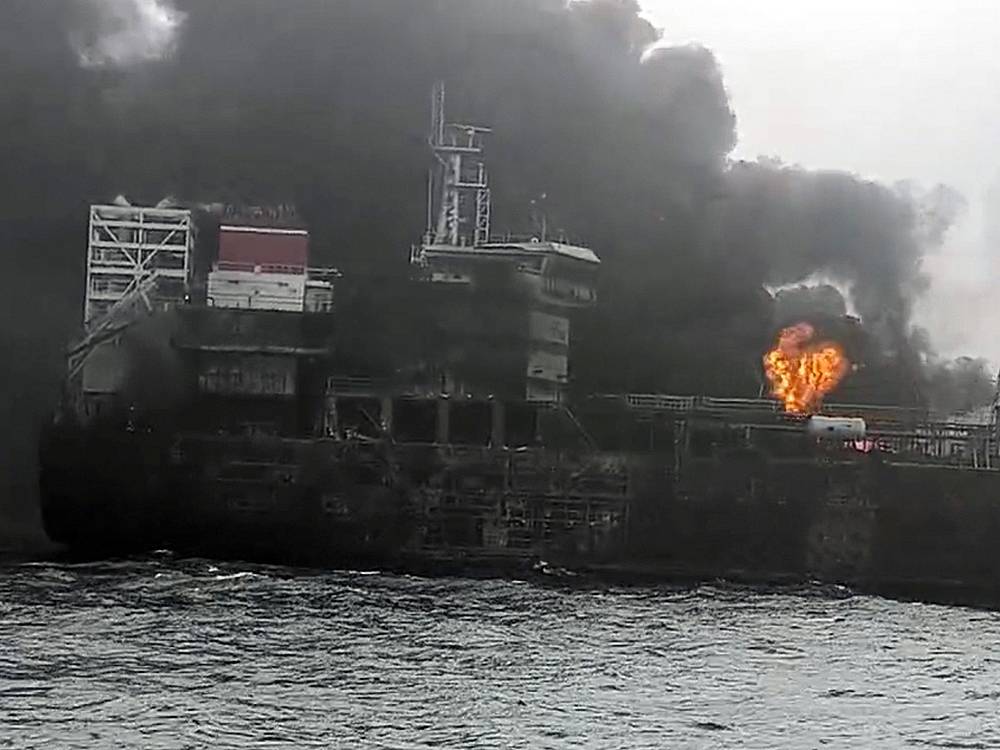
John Thompson, father of one of the sailors, expressed his anguish publicly, praying for his son’s safe return—a simple yet devastating reminder of the human toll behind this tragic story.
The social media reaction was immediate and fierce, with thousands sharing images, theories, and comments that turned the incident into a viral phenomenon, blending emotion, politics, and suspicion.
For many, this case becomes an alarming sign of the real state of military maritime infrastructure and the vulnerabilities hidden beneath large budgets and proclamations of strength.
Others view the episode as emblematic of deeper issues, hinting at the United States facing invisible vulnerabilities amid a global crisis, where a single logistical blow possesses the ability to send ripples through diplomatic ties.
Several specialists argue that if the cargo was involved in high-level tactical exercises, its loss creates immediate operational concerns and necessitates a reassessment of calendars, resources, routes, and security protocols.
As a result, the repercussions may extend far beyond the sunken hull, impacting military decisions and risk analyses, revealing uncomfortable flaws for commanders accustomed to projecting control.

The questions surrounding the incident—about vulnerability, secrecy, and the mishaps leading to the sinking—intensify the narrative, prompting speculation that crosses into the realms of geopolitics, defense vulnerabilities, and international tensions.
The public’s imagination revolves around the mystery of how a ship on such a delicate mission can appear so exposed. The continued absence of detailed information further fuels this narrative, spawning various theories on the safety and security of military operations.
Even if the investigation concludes that the sinking stemmed from tragic technical errors, the implications are far-reaching, exposing the fragility concealed beneath institutional statements of assurance.
Maritime analysts have started reconstructing routes, reviewing oceanic conditions, and examining potential failure points in an effort to clarify whether prior signals or decisions led to this catastrophe.

Every detail may redefine the narrative of a simple logistical failure or a more significant story capable of reshaping perceptions of preparation and vigilance during tense situations.
This incident encapsulates not only the drama of the sinking vessel but emphasizes systemic vulnerabilities within seemingly indestructible military structures, as the ocean does not honor proclamations of power.
The tragedy resonates with broader fears concerning military operations, blending themes of human sacrifice, institutional secrecy, and crucial questions about safety, strategy, and logistical realism.
As time passes, public scrutiny will likely intensify on Pentagon officials, military commands, and all organizations involved, as vague explanations will not suffice when human lives, military assets, and national security are at stake.

Families will demand accountability, while analysts will seek precise data; citizens will expect transparency, and adversaries will be closely watching each maneuver, each delay, and every inconsistency in the narrative.
<pUltimately, this incident no longer belongs solely to those who were aboard or the depths of the ocean. It now represents a battleground for narrative control, interpretation, and the political ramifications of the disaster at hand.
If this was an accident, it unveils profound vulnerabilities; if sabotage, a considerable security crisis emerges; but if the inquiry reveals a mix of both errors and external threats, significant questions about the nation’s military readiness will ensue.
Conclusion
For now, the USS Valor remains beneath the waves, along with the secrets of its last voyage. Above, a milieu of anxiety, anger, and anticipation suggests that this narrative is only beginning to unfold its most consequential facets.
When the truth is finally unveiled, it will not merely elucidate how a vessel laden with military supplies sank, but also assess a nation’s preparedness when the grip of control slips away in murky waters.
For today, the world watches with trepidation, pondering whether this event marks a simple maritime accident or signifies deeper, more perilous global implications.
