
The New Trump Nickname Colbert’s Audience Can’t Stop Cheering For!
In a late-night segment that has drawn widespread attention, Stephen Colbert revisited his evolving language when referring to Donald Trump, illustrating how tone, wording, and timing can shape audience reaction over time.
For years, Colbert used formal titles such as “President Trump” or “President Donald Trump,” maintaining a balance between satire and convention. Observers note that even in comedic settings, such phrasing often reflects broader norms around public office and respect for institutional roles.:max_bytes(150000):strip_icc():focal(749x0:751x2)/stephen-colbert-kimmel-100125-f6985f61121642158adce63f481065dc.jpg)
That approach began to shift after Trump left office. The use of “former president” became more frequent, and Colbert reportedly emphasized the term in ways that audiences quickly recognized. Media analysts point out that repetition of specific phrasing can reinforce a narrative, especially when paired with audience response.
According to widely shared clips, a further shift occurred during periods when Trump faced legal proceedings. Colbert began referencing those developments in his monologues, adopting language tied to the legal context of the moment. Rather than relying on invented nicknames, the segment focused on terminology drawn from public reporting and court developments.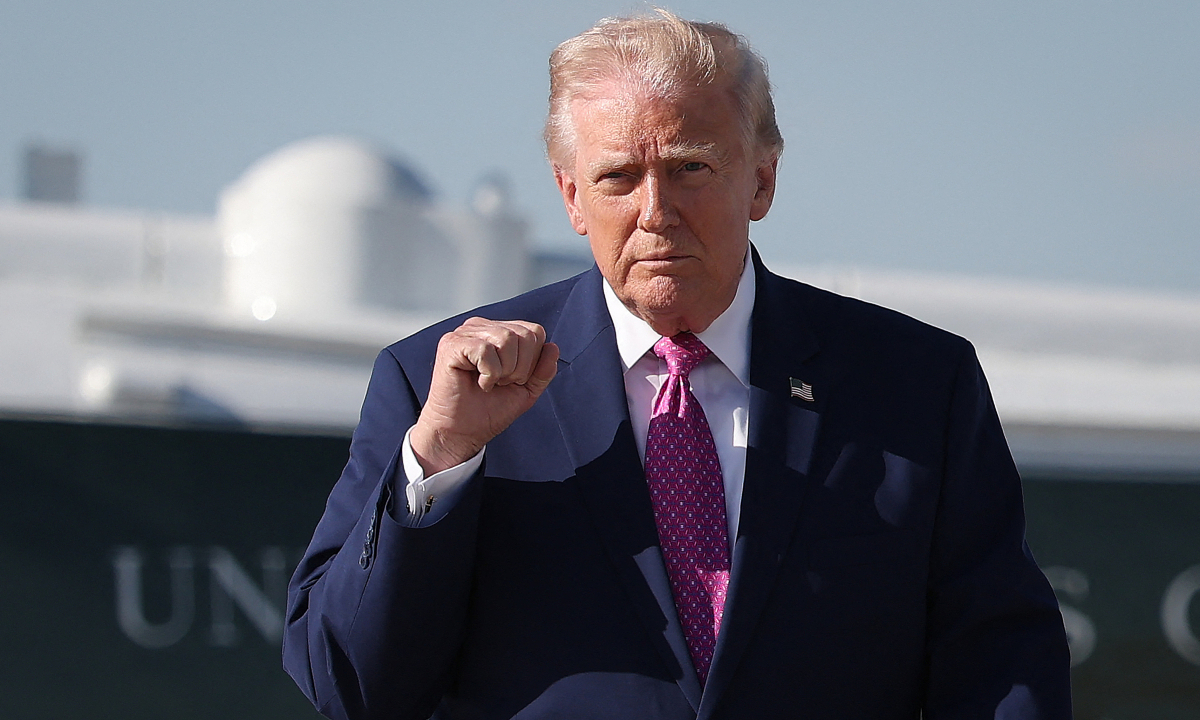
Audience reaction, as described in transcripts, played a central role. Certain phrases reportedly prompted immediate applause or interruption, creating a rhythm in which delivery and response became part of the segment’s structure. Scholars of media note that such moments often evolve into recurring patterns within live shows.
The segment highlights how language can carry layered meaning. Words that are neutral in one context may take on greater significance when repeated in a specific setting, particularly when tied to ongoing public events. This dynamic allows late-night hosts to shape tone without overt commentary.
At the same time, analysts emphasize the importance of context. References to legal matters or public records must be understood within the framework of verified information and ongoing processes. Late-night segments, while grounded in real events, remain curated interpretations rather than comprehensive reporting.
Public response to the segment has been varied. Some viewers focus on the clarity and directness of the language used, while others note that reactions are influenced by broader political perspectives. This divergence reflects the role of audience interpretation in shaping how such moments are received.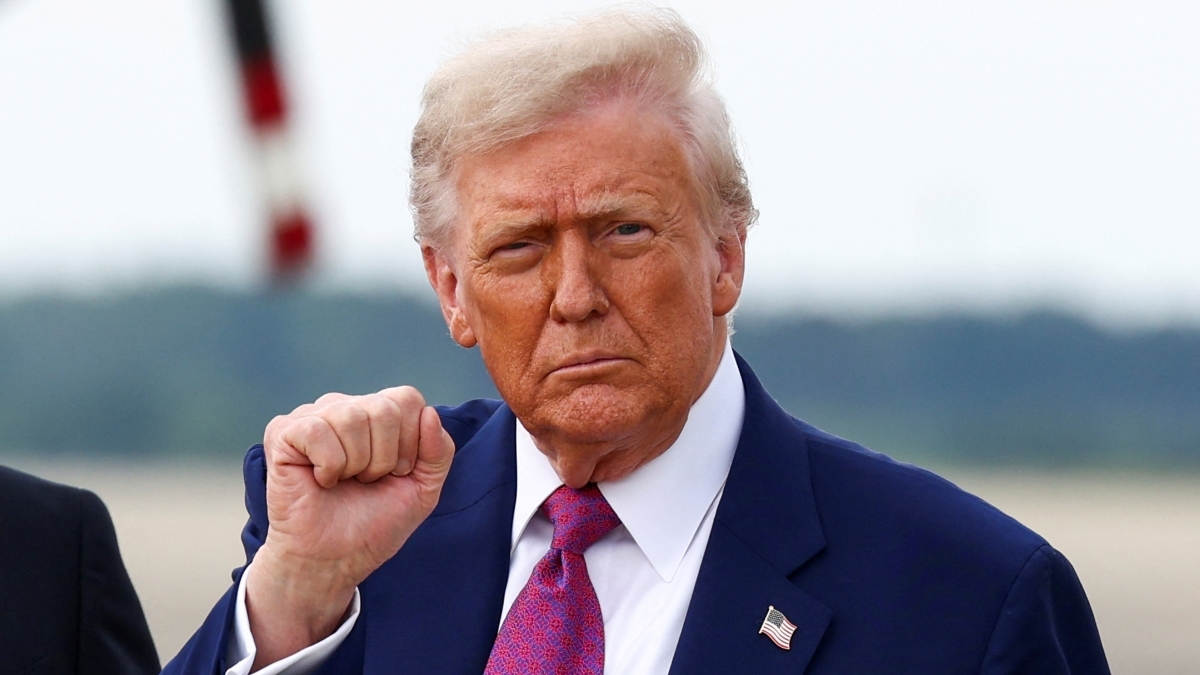
Experts in communication highlight that repetition is a powerful tool. By returning to specific phrases night after night, a host can transform them into recognizable signals that audiences anticipate and respond to collectively.
The segment also illustrates a broader trend in late-night television, where commentary increasingly blends humor with reference to current events. In this format, the distinction between satire and observation can become fluid.
Importantly, the impact of the moment lies not only in the words themselves but in how they are delivered. Pauses, emphasis, and audience interaction all contribute to how the message is perceived.
Ultimately, the episode underscores how language, when combined with timing and context, can reshape a familiar subject into a recurring focal point. Through careful phrasing and consistent delivery, the segment demonstrates how even simple terms can carry lasting resonance in public discourse.
