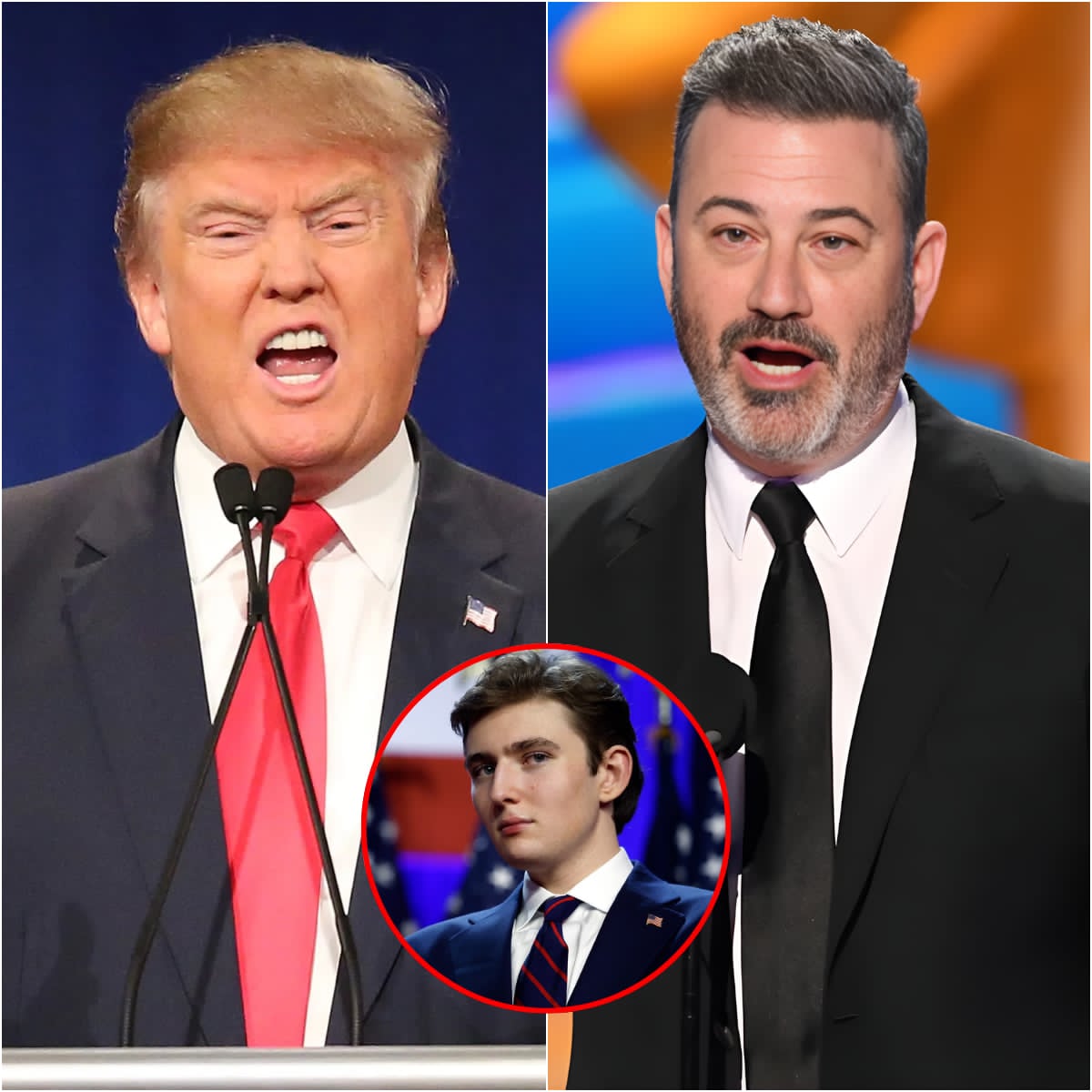
TRUMP TARGETS KIMMEL ON LIVE STAGE—BUT THE ROOM TURNS WHEN CALM OUTPLAYS CHAOS
The on-stage exchange between Donald Trump and Jimmy Kimmel quickly evolved from a typical late-night confrontation into something far more intense—an encounter that felt closer to a public reckoning than a comedic segment.
Trump entered the moment with confidence, projecting control and expecting the room’s attention to follow. His opening tone was measured, touching on themes like fairness and responsibility in media. For a brief moment, the exchange carried a sense of balance, as though it might remain within the boundaries of structured debate.
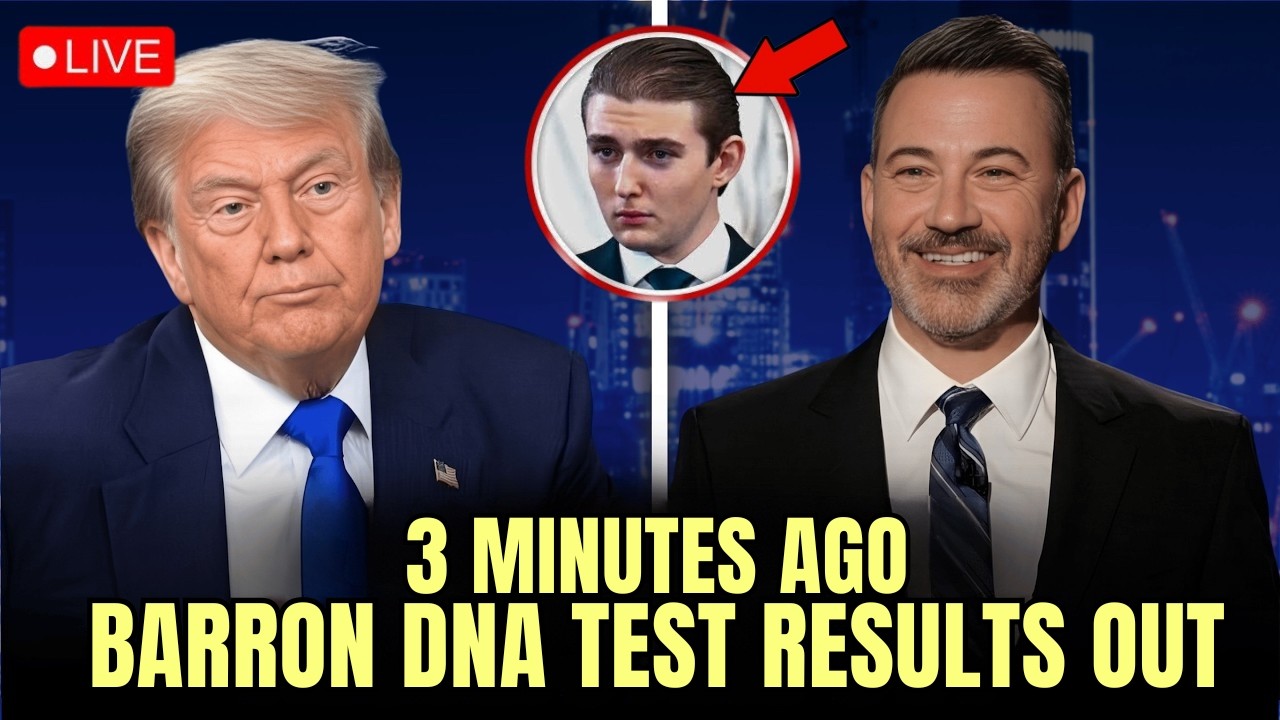
That tone, however, shifted rapidly. Trump began accusing Kimmel of spreading false narratives, expanding his criticism to include broader public discourse involving figures like Barack Obama. His delivery intensified, with sharper gestures and a rising voice that signaled growing frustration.
The exchange took a more personal turn when Trump referenced Kimmel’s family, including his wife and son. The atmosphere in the room changed instantly. Laughter faded, replaced by a heavy silence that reflected the audience’s awareness that the conversation had crossed into more sensitive territory.
Throughout this escalation, Kimmel remained still. He did not interrupt or react impulsively. Instead, he allowed Trump’s words to land fully, creating a contrast that would later define the entire exchange. His composure signaled control—not disengagement, but deliberate restraint.
When Kimmel finally responded, the shift was immediate. His tone was calm and steady, acknowledging the seriousness of personal matters while reframing the discussion. He clarified that the topics being referenced were already part of public conversation, positioning his role as one of questioning rather than inventing claims.
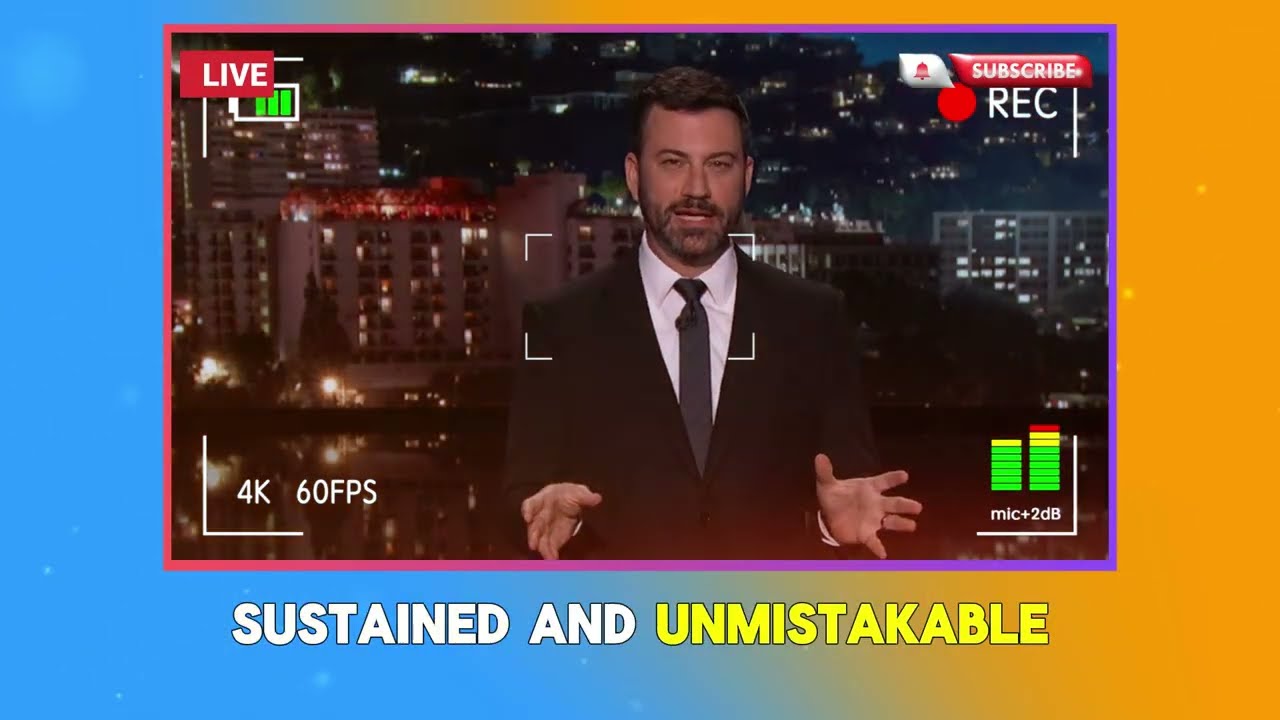
This distinction resonated with the audience. The energy in the room began to shift as Kimmel emphasized principles of evidence, transparency, and accountability. Rather than matching intensity with intensity, he introduced structure—redirecting the exchange toward verifiable claims.
Trump pushed back forcefully, rejecting the framing and doubling down on his assertions. Yet the dynamic had already changed. Where he had once driven the momentum, his responses now carried a more defensive edge, reacting to the framework Kimmel had established.
Kimmel maintained consistency, returning to a simple but powerful idea: if a claim is false, it can be disproven. He offered a direct challenge, inviting clarity and evidence. The audience responded immediately, their reaction marking a turning point in the exchange.
A brief pause from Trump followed—subtle, but noticeable. In a moment defined by intensity, that hesitation stood out. It suggested a shift in control, as the conversation moved away from volume and toward substance.
By the time the applause came—steady and unmistakable—it was no longer about humor. It reflected recognition of composure under pressure. Trump had entered expecting to dominate the moment, but as the exchange unfolded, it was Kimmel’s calm, structured approach that ultimately defined how the room responded.
