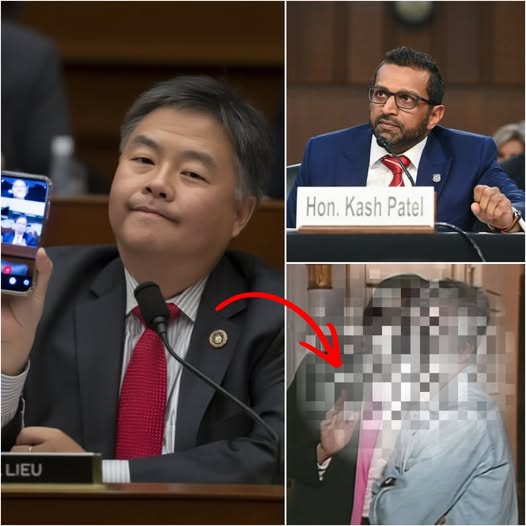
What began as a routine oversight hearing inside the Rayburn House Office Building quickly transformed into one of the most explosive moments in recent congressional history. In a stunning turn, Ted Lieu introduced audio evidence that appeared to catch Kash Patel completely off guard—triggering a sequence of events that is now dominating headlines across the country.
For the first part of the hearing, Patel appeared calm and composed, answering questions with the measured tone expected from a seasoned official. His responses followed a familiar pattern—carefully worded, procedural, and designed to avoid direct confrontation. Nothing in his demeanor suggested that the hearing was about to take a dramatic turn.
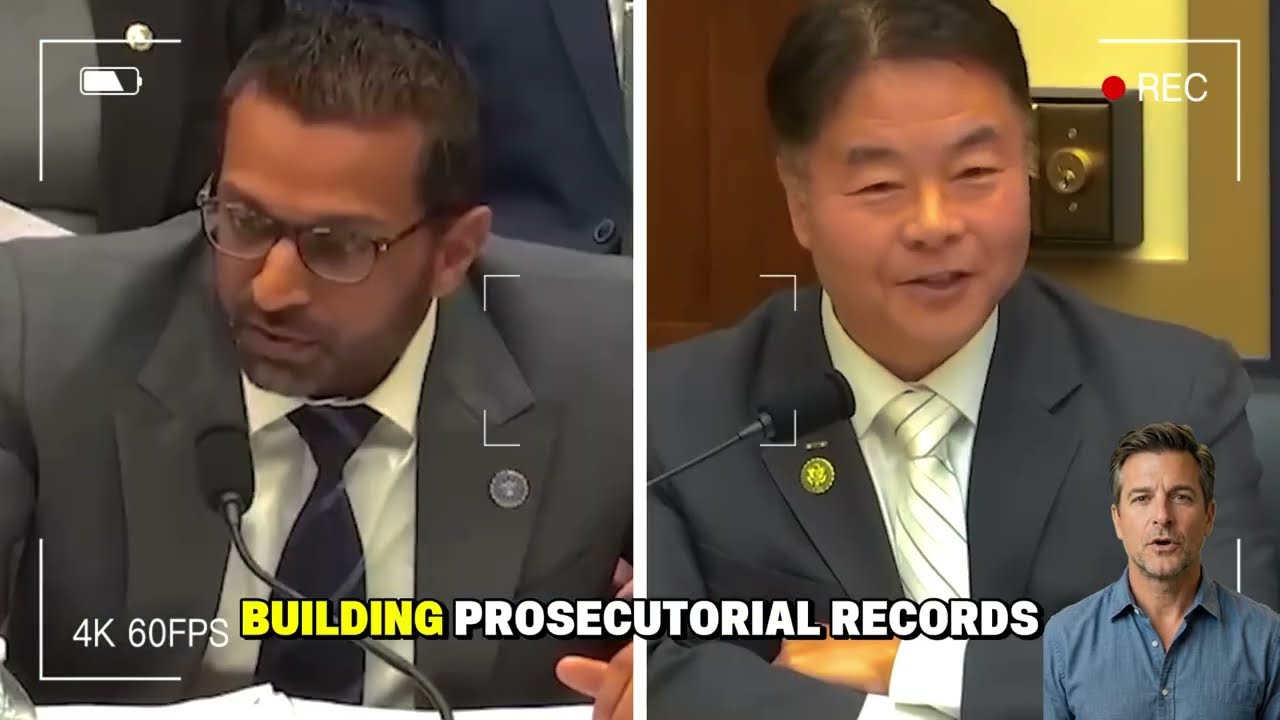
That changed the moment Lieu began narrowing his focus. Instead of broad policy questions, he directed attention to a specific date, time, and location: a private meeting allegedly held on January 31, 2025, inside the J. Edgar Hoover Building. The shift from general inquiry to precise detail immediately altered the tone in the room.
Lieu’s strategy became clear as he reduced Patel’s options. The questions were no longer open-ended—they were binary, forcing confirmation or denial. Patel attempted to respond cautiously, citing limitations around discussing sensitive internal matters. But the setup had already moved beyond routine oversight.
Then came the defining moment. Without raising his voice or signaling escalation, Lieu played a 34-second audio recording that had been authenticated by forensic analysts. The room fell silent as a voice, identified as Patel’s, delivered seven words that would instantly reshape the hearing: “Trump told me to bury it. All of it.”
The impact was immediate—not because of what followed, but because of what didn’t. Instead of an instant denial or rebuttal, Patel remained still. Observers noted the absence of reaction: no visible outrage, no attempt to interrupt, no immediate effort to reclaim control. The silence that followed—lasting nearly 38 seconds—became as significant as the recording itself.
Lieu allowed the moment to breathe. In high-pressure legal settings, silence can carry weight, revealing more than rapid exchanges ever could. By not interrupting, Lieu effectively shifted the burden back onto Patel, letting the reaction—or lack of one—speak for itself.
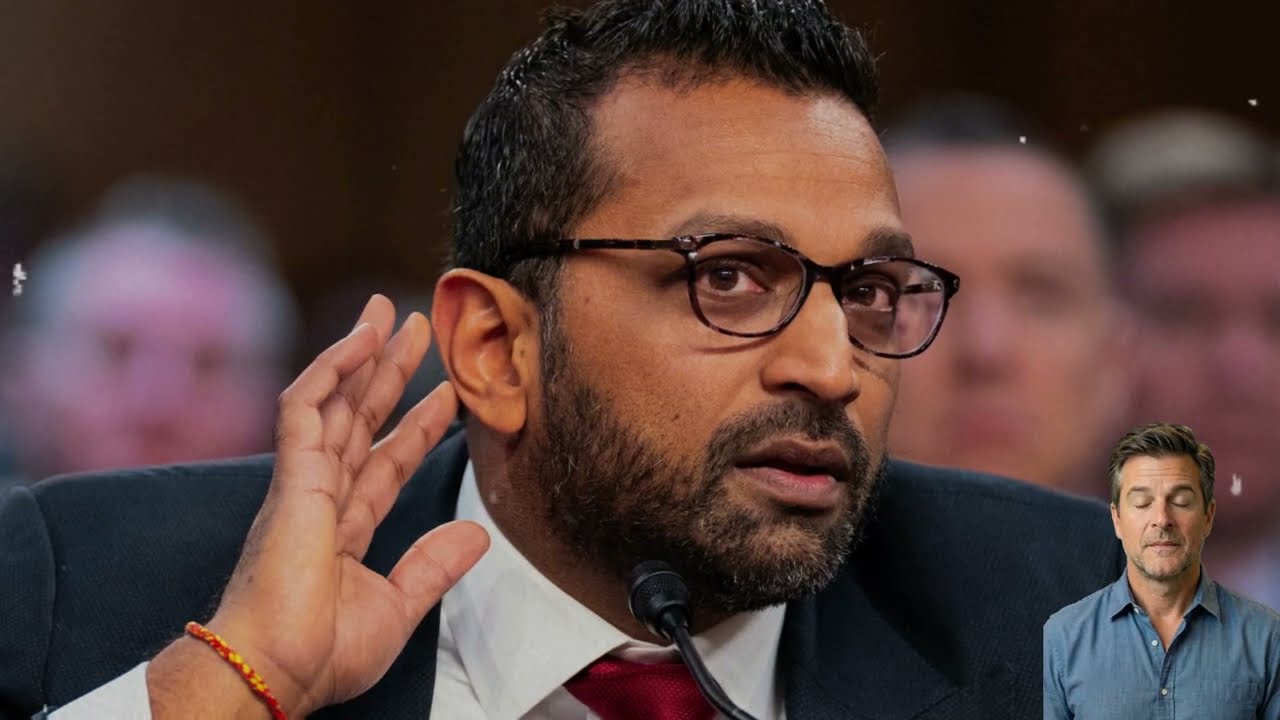
When questioning resumed, Lieu asked a single, direct question: whether the voice on the recording belonged to Patel. The simplicity removed any room for interpretation. It was no longer about context or nuance—only about authenticity.
Patel’s response avoided a direct answer. Instead, he stated he would not comment on the recording without reviewing it with legal counsel. While procedurally cautious, the response did not challenge the existence or accuracy of the audio, leaving the central claim unaddressed.
The situation escalated further when Patel’s attorney invoked the Fifth Amendment in response to a follow-up question about potential instructions to interfere with an investigation. The move marked a critical shift, transforming the hearing from political oversight into a matter with potential legal implications.

Lieu’s closing remarks were restrained but pointed. Rather than drawing conclusions himself, he emphasized that the record now speaks for itself and that the public can interpret the events independently. The combination of audio evidence, silence, and legal caution has since sparked widespread debate.
As clips of the exchange circulate widely, the focus has expanded beyond the individuals involved. The moment raises broader questions about accountability, institutional independence, and how oversight functions when confronted with unexpected evidence. Whether this becomes a turning point or another chapter in ongoing political tensions remains to be seen—but the impact of those seven words is already undeniable.
