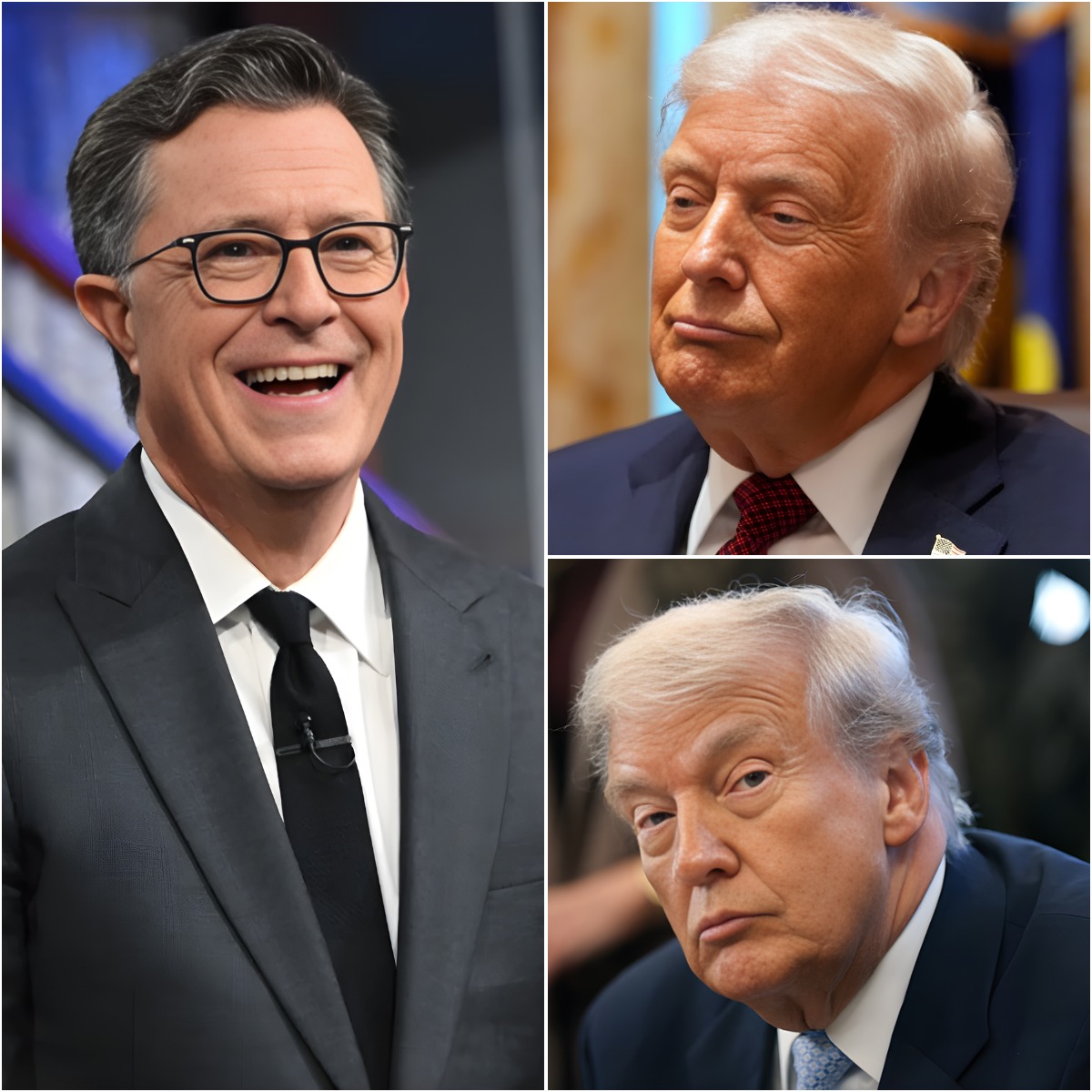
It wasn’t the rally itself that people remembered—it was the split-second moment that cameras didn’t miss. During a familiar-style appearance, Donald Trump stood before a large crowd, delivering remarks in the confident, rhythmic cadence audiences have come to expect. The setting was controlled, the reactions predictable—applause, cheers, and a carefully maintained public image that has defined his stage presence for years.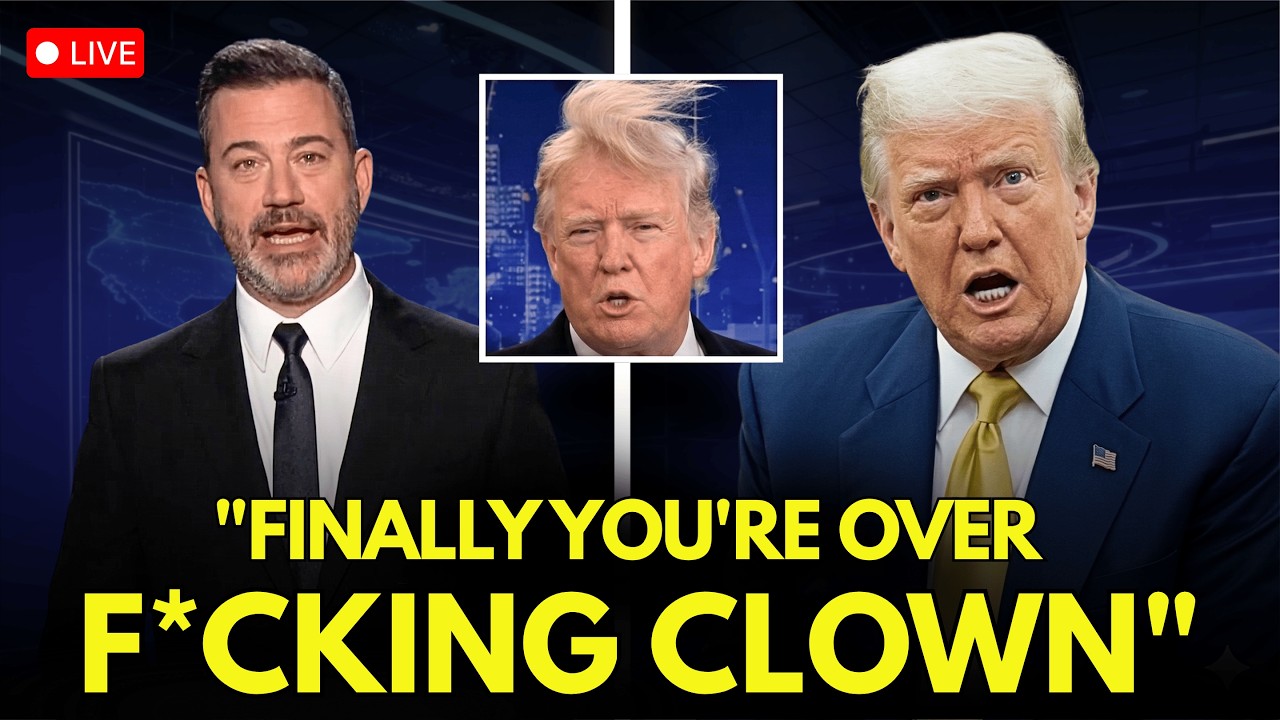
For most of the event, everything followed that script. Trump moved through key talking points, emphasizing achievements and drawing energy from the crowd. The staging, lighting, and camera angles all reinforced a polished presentation designed to project authority. But then, in a brief and unexpected instant, something shifted. A small visual disruption—lasting only seconds—broke through that controlled image, and the cameras captured it clearly.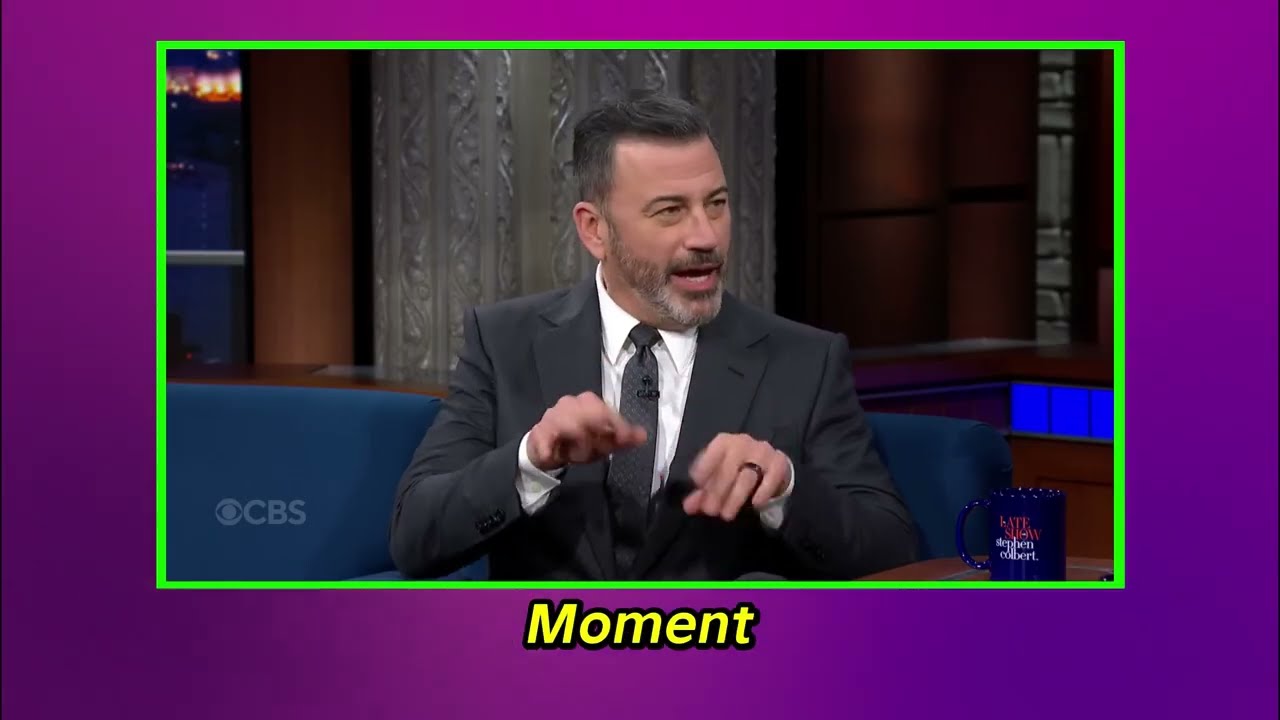
What might have gone unnoticed in a different setting quickly took on a life of its own. The clip spread rapidly across social platforms, replayed and analyzed from multiple angles. Viewers weren’t just reacting to the moment itself, but to what it represented: how quickly a carefully constructed image can be altered by something unpredictable.
That’s where Jimmy Kimmel entered the story. On Jimmy Kimmel Live!, he introduced the clip with an unusually measured tone. Rather than opening with a punchline, he replayed the footage, letting the audience absorb the moment before adding commentary. The approach shifted the segment from immediate humor to something more structured.
Kimmel built his monologue around contrast. He returned repeatedly to the idea of image versus reality, using the clip as a central anchor. Instead of direct attacks, he layered observations—each one expanding on how public figures rely on consistency in presentation, and how even a minor disruption can expose the fragility of that image.
The audience response evolved alongside the segment. Initial laughter gave way to a more engaged reaction, as viewers began connecting the moment to a broader pattern. Kimmel’s pacing allowed the humor to build gradually, reinforcing the central theme without straying from it. Each callback to the clip added weight, turning a fleeting incident into a cohesive narrative.
As the monologue continued, the focus widened. The discussion moved beyond the single moment to the larger concept of perception—how public personas are crafted, maintained, and occasionally disrupted. The humor remained, but it was tied to a recognizable idea: that even the most controlled images can shift in an instant.
By the end of the segment, the original clip had transformed. It was no longer just a brief visual moment from a rally, but part of a broader conversation about visibility and image in the modern media landscape. The simplicity of the incident, combined with the clarity of its presentation, gave it lasting impact.
What made the moment resonate wasn’t its scale—it was its contrast. A carefully managed appearance interrupted by something small, then reframed into a larger narrative that audiences could instantly understand.
Because sometimes, it’s not the speech, the message, or even the setting that defines a moment—it’s the one unexpected second that changes how everything is seen afterward… 👇
